Why Logistics Makes India a Powerful Business Destination
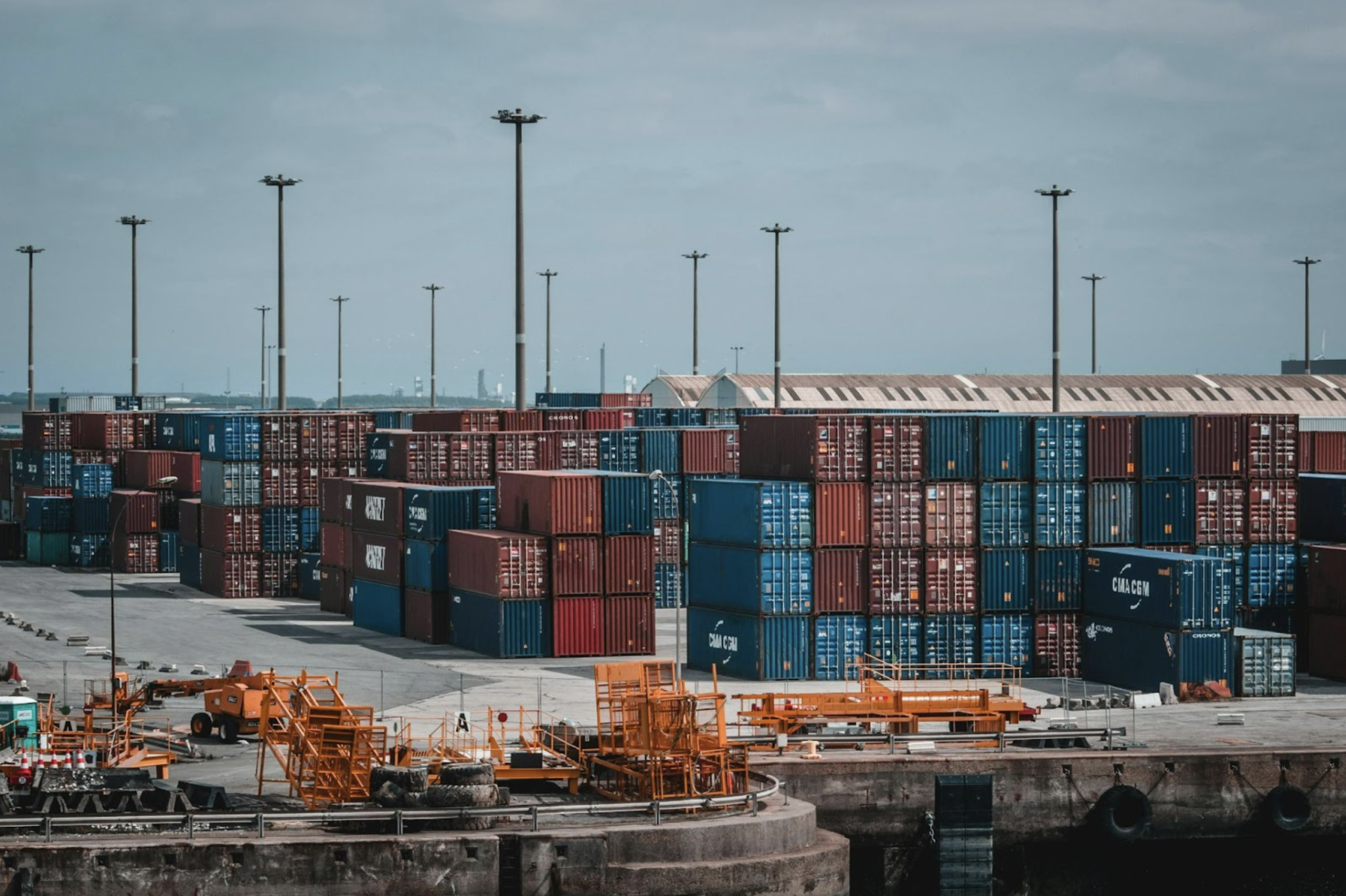
A strong logistics sector is key for India to become a top choice for global business. It helps lower manufacturing costs, makes companies more competitive, and connects them to global value chains, supporting the Make in India initiative. The sector also provides jobs for over 22 million people, making it one of the country's biggest employers.
In 2023, India was ranked 38th out of 139 countries in the World Bank’s Logistics Performance Index (LPI), moving up six spots since 2018. Now, India aims to be among the world’s top 25 by 2030 and to reduce logistics costs to less than 10% of GDP.
India has taken strong steps to build a solid logistics network. National highways have grown quickly, linking ports to key economic areas. Railways have also improved by adding electrified freight corridors that connect factories to ports on both coasts. Old inland waterways are being revived, with many routes, such as National Waterway 1, now stronger. Work is also underway to move cargo using new river-to-sea routes.
The Pradhan Mantri Gati Shakti National Master Plan and the National Logistics Policy are important steps forward. The PM Gati Shakti initiative is helping different ministries and departments work together by bringing their data onto one Geographic Information System platform. This makes planning and building multimodal infrastructure projects more coordinated.
Port and customs services have improved a lot. Cargo is cleared more quickly, and container cargo can be tracked online. Now, it takes about a day for a ship to turn around at Nhava Sheva (JN) Port in Navi Mumbai, which is close to Singapore’s 0.75-day turnaround. Gujarat is the top coastal state for logistics, and West Bengal is using its location to focus more on logistics infrastructure and services.
However, there is still room to use new technologies like big data and artificial intelligence more widely. These tools can help create a logistics system that is integrated, affordable, reliable, and digital across the country.
First, the PM Gati Shakti platform can include information about trade flows across India. This will let planners use data from the Goods and Services Tax Network and E-Way bills to find out where infrastructure needs to get better.
Second, new multimodal logistics parks connected to railway corridors can act as warehouses and data centers. These parks can attract private service providers and investors, and also give manufacturers better last-mile connections.
Third, young people in India will need the right skills for this fast-changing industry. Women can also find new job opportunities, especially in areas like packaging, sorting, and warehouse management. The Logistics Sector Skill Council is helping by training workers in new technologies so they can become skilled logistics professionals.
The World Bank has supported India with many rail, road, and inland waterway projects. It is also helping India go digital, improve trade services, and develop skills for this fast-changing industry.
India’s push to improve its logistics performance will not only improve its trade competitiveness, but will also increase jobs, and enable the country to emerge as a logistics hub for the region and beyond.
Auguste Tano Kouamé is the World Bank's Country Director for India. This Opinion piece first appeared in The Financial Express on July 17, 2024.