How Logistics Quietly Became Essential to India’s Growth
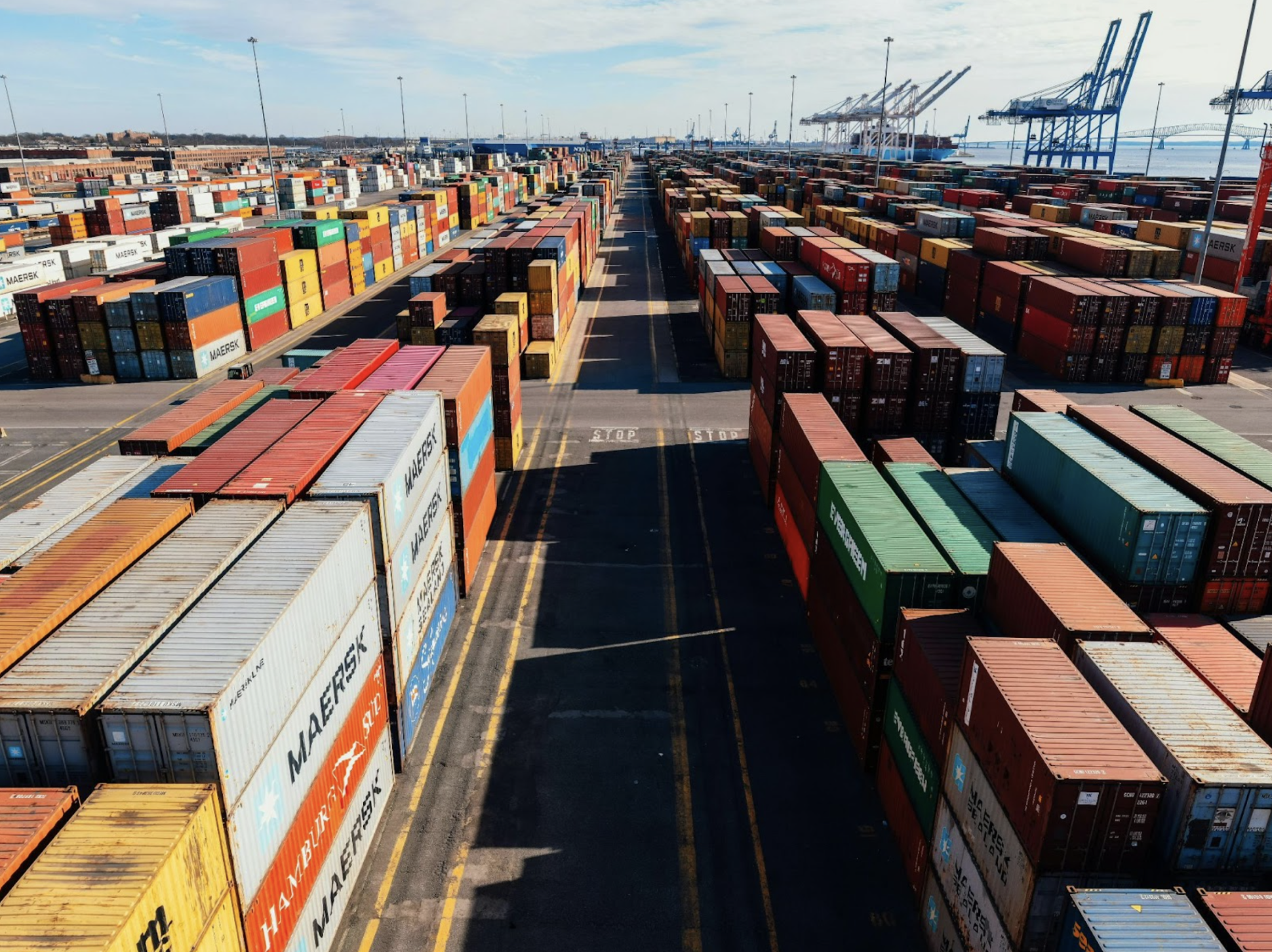
Logistics isn’t the kind of industry people usually talk about. It tends to stay in the background, doing its job quietly while everything else gets the attention. Yet almost every product we use, every order we place, and every business we interact with depends on it working smoothly.
I started noticing this more over the past few years. Conversations about India’s economic growth usually focus on manufacturing, startups, or digital payments. Logistics rarely makes the headline, but it keeps appearing in the fine print of nearly every success story.
As India moves toward its goal of becoming a US$5.5 trillion economy by 2027, the ability to move goods quickly and reliably feels less like a supporting function and more like a central piece of the puzzle.
Why logistics suddenly feels more important
India’s growth story over the last decade has been hard to ignore. Before the pandemic, the economy was expanding at over 7% a year. COVID slowed everything down, at least for a while. What followed was a stronger rebound than many expected. Services recovered, factories reopened, and agriculture held steady through the disruption.
The World Bank’s India economic overview highlights how quickly the country regained its growth trajectory. That recovery also brought a new realisation: scaling an economy this large requires more than production and demand. It also requires movement.
Manufacturing is expected to play a bigger role in the coming years, especially as initiatives like Make in India continue gaining momentum. At the same time, global supply chains are shifting, and many companies are exploring new production bases. That creates a rare window of opportunity for India.
But growth at this scale raises a simple question: how do you move everything efficiently?
Factories can only grow as fast as the systems that transport raw materials and deliver finished goods. That’s where logistics quietly becomes essential.
India has already made progress here. Improvements reflected in the World Bank’s Logistics Performance Index show the country steadily climbing global rankings in logistics and ease of doing business.
A massive network still taking shape
India’s logistics network is enormous. Roads, railways, ports, warehouses, and digital systems all work together to connect suppliers and customers across a country that is both vast and diverse.
The government recognised how critical this system had become and created a dedicated logistics division in 2017 to focus on long-term coordination and development. Since then, reforms have gradually started reshaping the sector.
Technology is playing a major role in this shift. GPS tracking, RFID, and analytics tools are helping logistics companies improve visibility and manage delays more effectively. At the same time, the rise of e-commerce has raised expectations. Faster delivery is no longer a bonus. It’s becoming the baseline.
The sector still faces challenges, but the direction of change is increasingly clear.
Why better logistics affects the entire economy
When logistics improves, the benefits ripple outward in ways that aren’t always obvious at first.
Faster delivery timelines help businesses respond more quickly to customer demand. Better connectivity allows companies to reach customers in smaller cities and rural markets. Lower transportation and storage costs help businesses stay competitive.
The sector is also a major employer. Insights from LogiMAT India suggest logistics already supports more than 22 million jobs and is expected to generate millions more in the years ahead.
Technology is another major driver. Automation and data-driven decision-making are making supply chains more predictable and efficient. That productivity boost spreads across industries.
A long-term role in India’s economic future
Logistics contributes roughly 13–14% of India’s GDP, making it one of the most important enablers of trade and business expansion. Efficient transportation networks reduce delivery times, improve productivity, and encourage investment.
Long-term projections make this role even clearer. The EY “India@100” report suggests the country’s GDP could reach around US$26 trillion by 2047–48. Achieving growth at that scale will depend heavily on the strength of transportation and supply chains.
Today, road transport carries most freight, with rail handling a significant portion and ports and air transport playing smaller roles. Improving this balance remains a major focus for reducing logistics costs.
Government initiatives accelerating change
Over the past few years, several government initiatives have begun reshaping the logistics landscape. GST reforms, infrastructure investments, and large-scale connectivity projects are gradually improving how goods move across the country.
Projects such as dedicated freight corridors, multimodal logistics parks, and the PM GatiShakti National Master Plan aim to improve coordination and reduce delays. Together, these efforts are designed to lower logistics costs and improve efficiency.
Looking ahead
India’s logistics sector is expected to keep expanding steadily. After a pandemic-era contraction, the market rebounded strongly and continues to grow. Projections suggest it could approach US$600 billion by FY27.
Organised logistics providers still represent a relatively small share of the market, but that is likely to change as companies invest in technology, integrated services, and large-scale infrastructure.
Logistics may not always be visible, but its influence is becoming harder to ignore. As India’s economy continues to expand, the systems that move goods across the country will quietly shape how far and how fast that growth can go.